







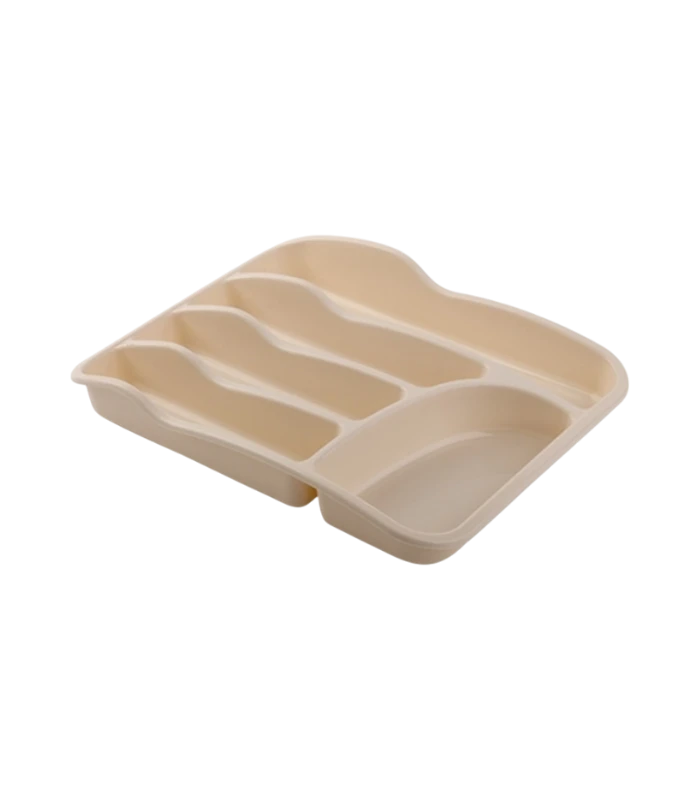
Разпределител прибори за чекмедже Дрина голям
2,30 € / 4.50 лв.
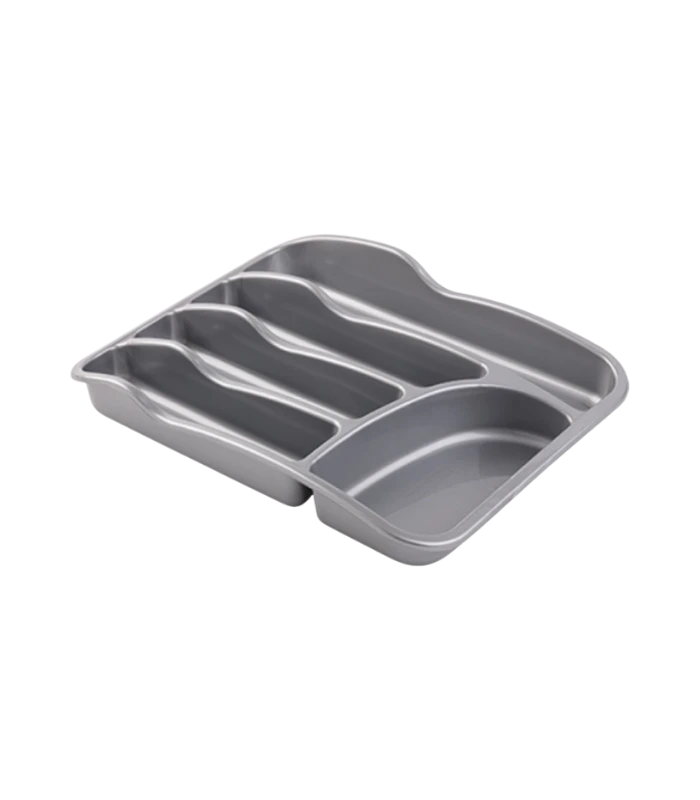
Разпределител прибори за чекмедже Дрина малък
1,84 € / 3.60 лв.
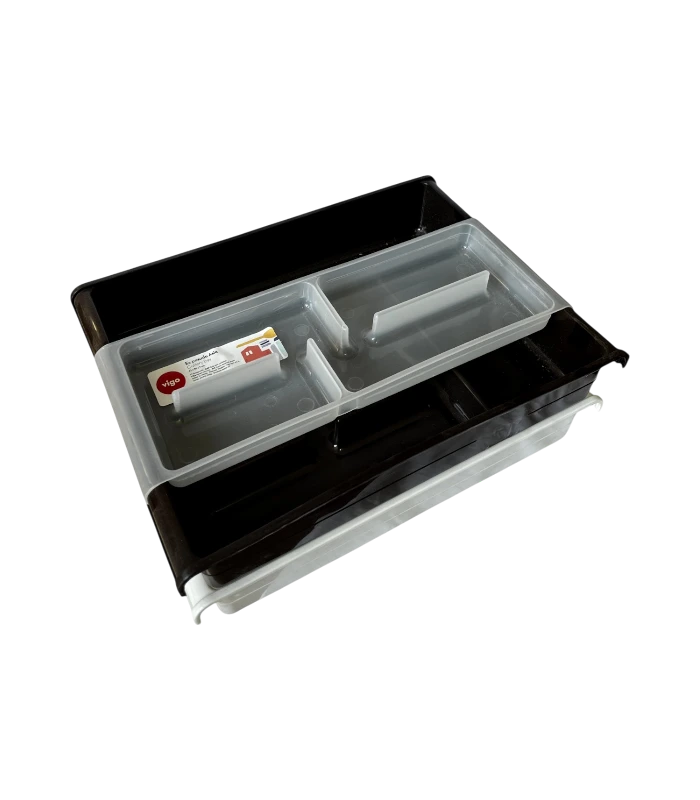
Разпределител прибори за чекмедже на 2 нива с плъзгач
4,35 € / 8.51 лв.
Опции
This product has multiple variants. The options may be chosen on the product page
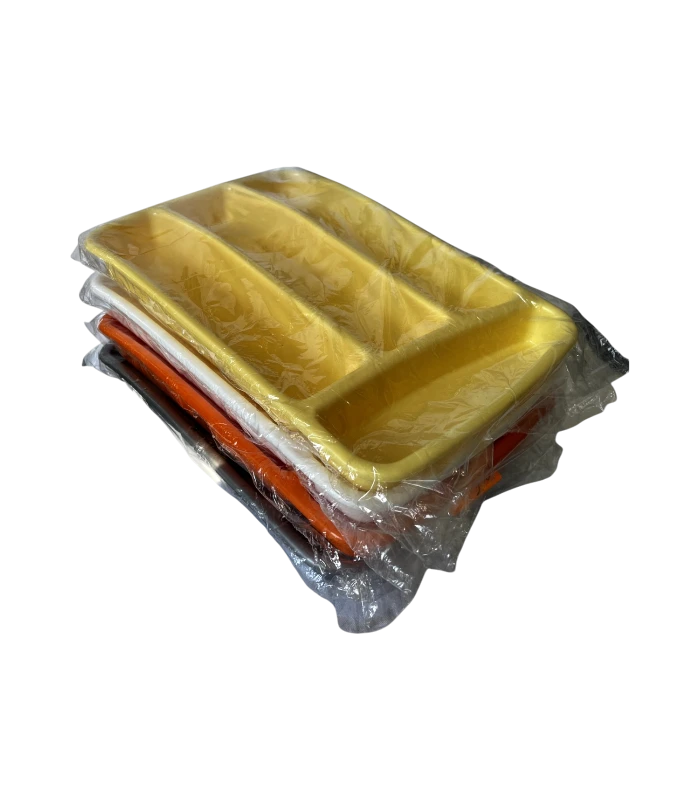
Разпределител прибори за чекмедже мини
1,02 € / 2.00 лв.
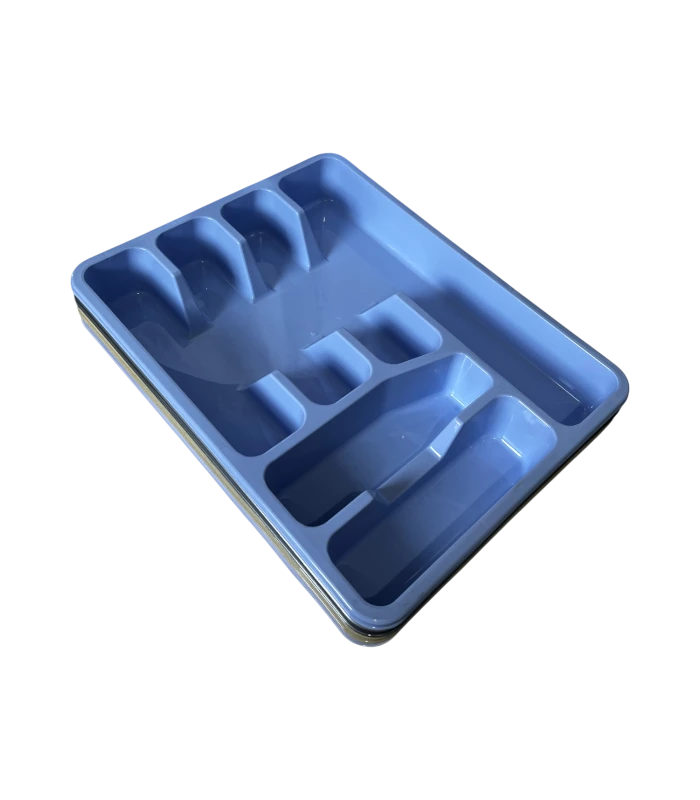
Разпределител прибори за чекмедже среден
1,64 € / 3.21 лв.
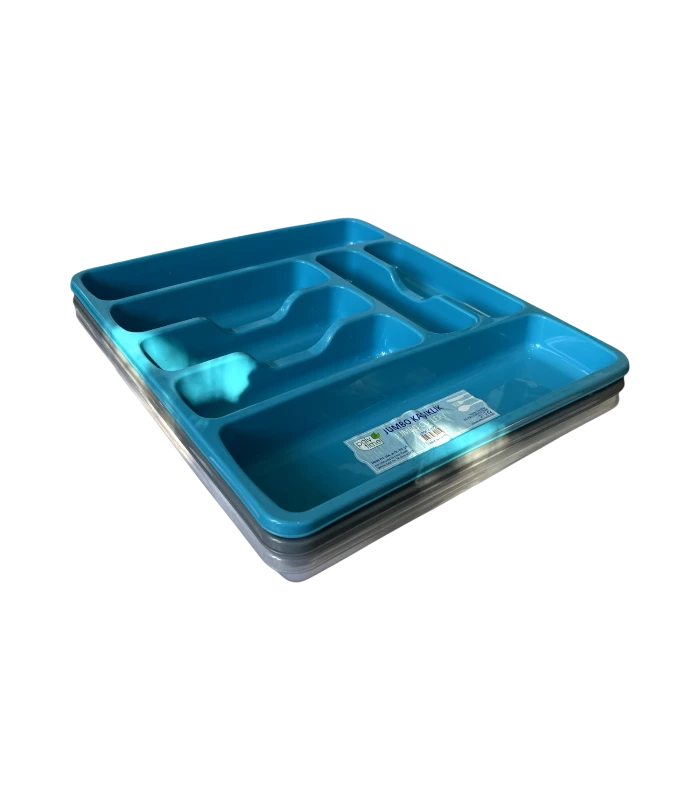
Разпределител прибори за чекмедже голям
3,07 € / 6.00 лв.
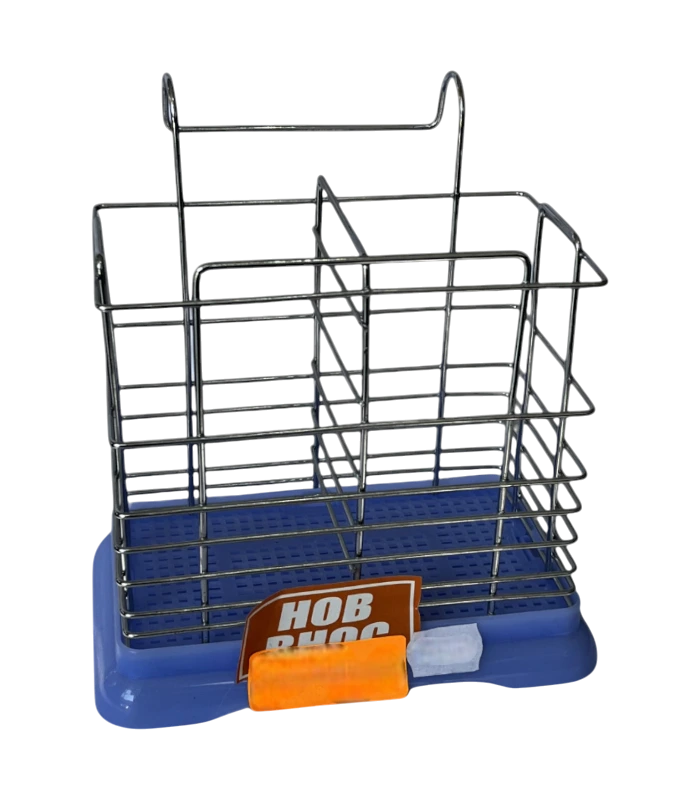
Сушилник за прибори за окачване метален с пластмасово дъно
2,51 € / 4.91 лв.
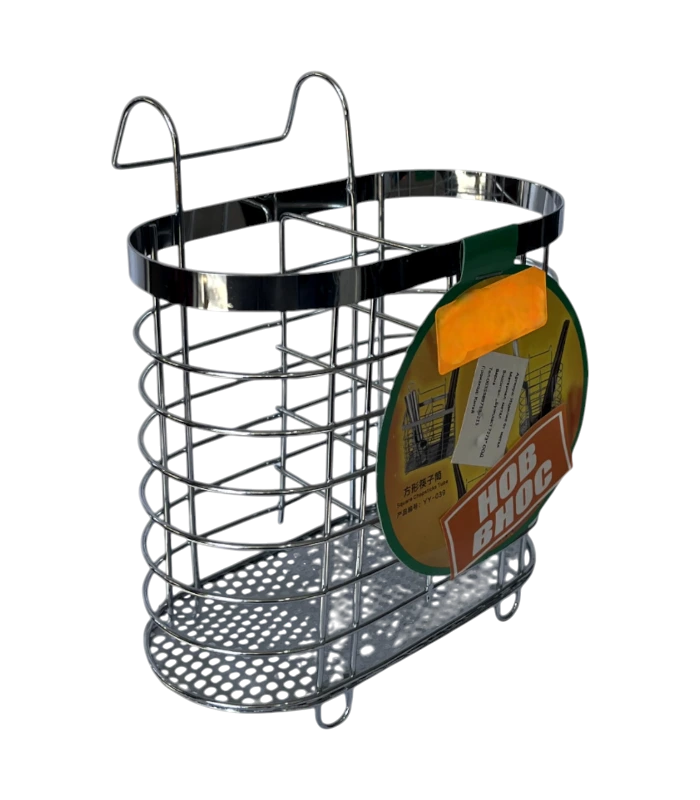
Сушилник за прибори за окачване
1,99 € / 3.89 лв.
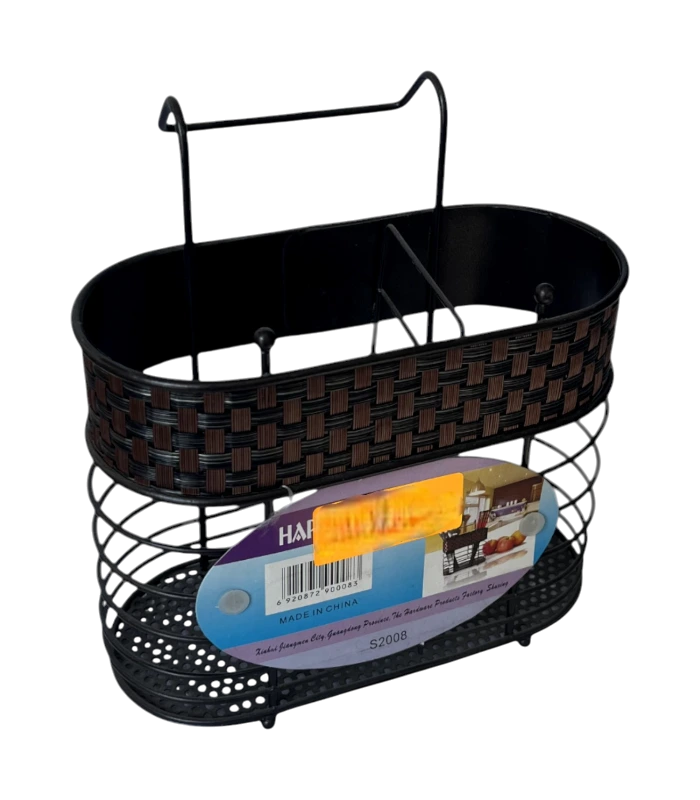
Сушилник за прибори за окачване метален овален
2,15 € / 4.21 лв.
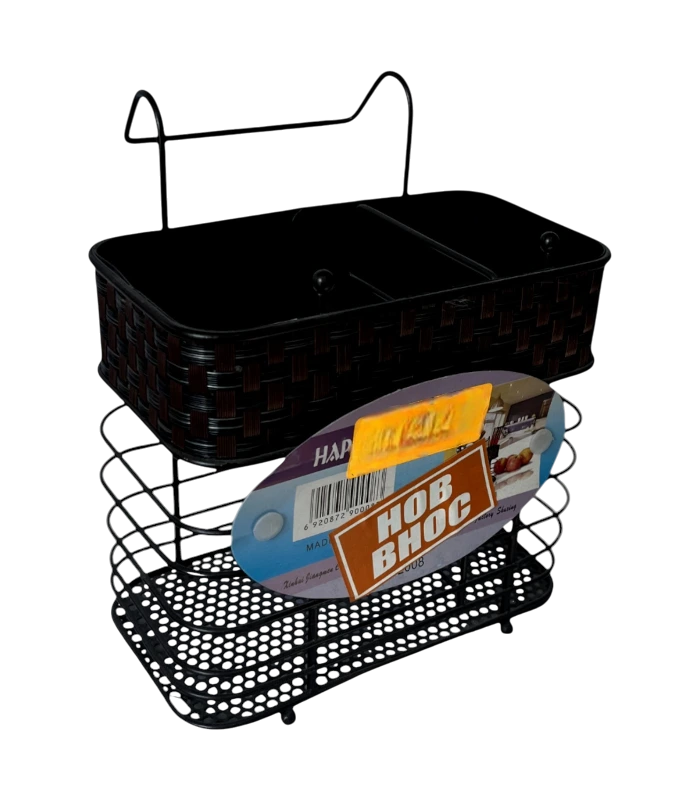
Сушилник за прибори за окачване метален правоъгълен
2,15 € / 4.21 лв.
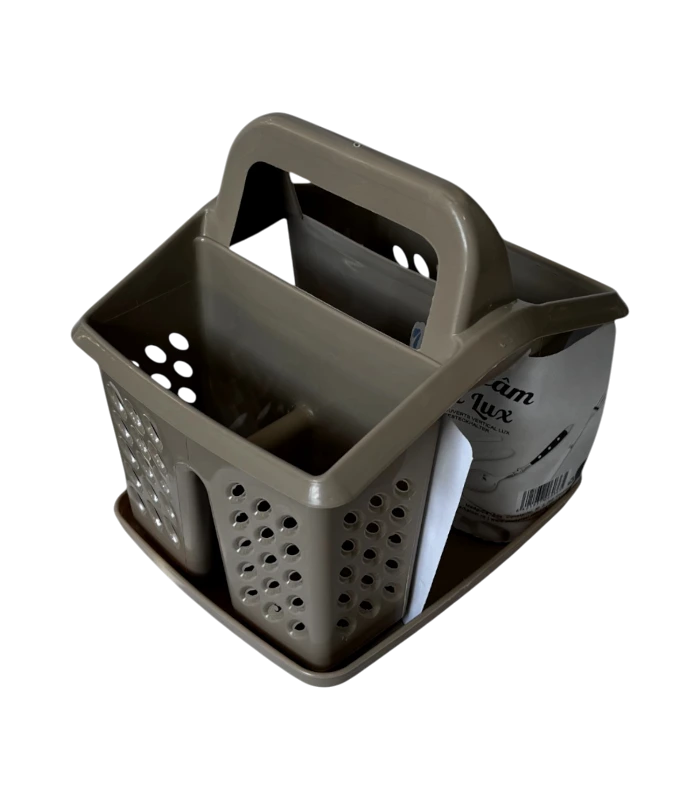
Сушилник за прибори Стерк
1,48 € / 2.89 лв.
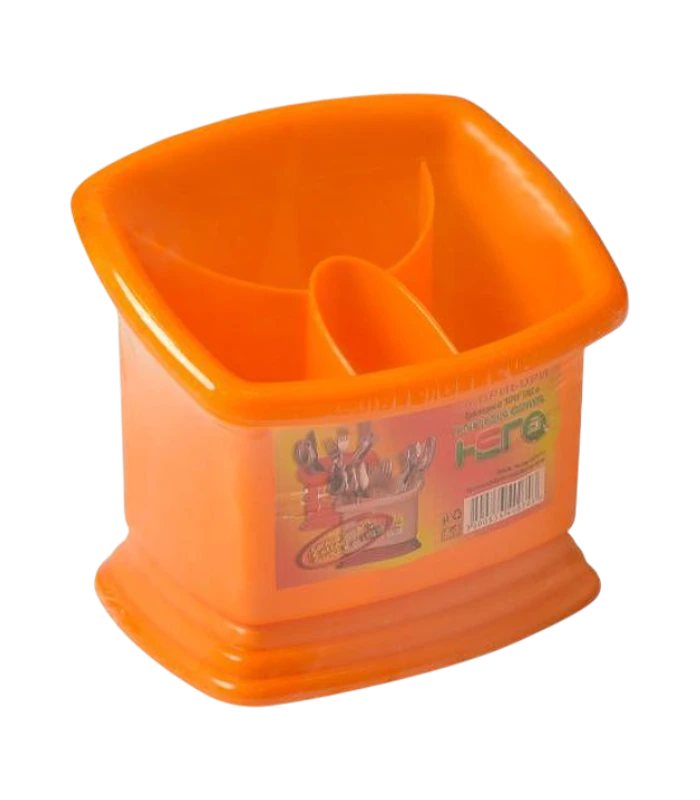
Сушилник за прибори Аро
1,43 € / 2.80 лв.
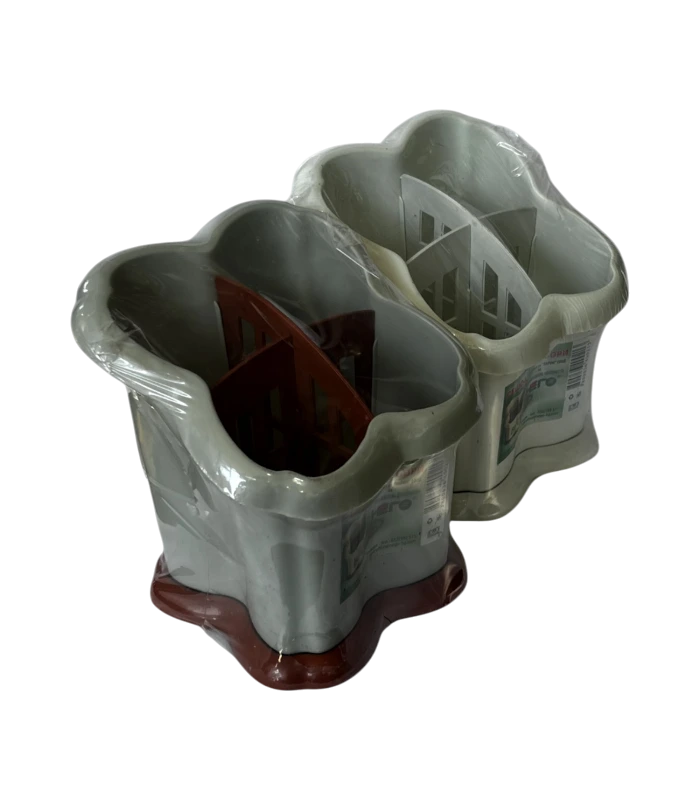
Сушилник за прибори Детелина
1,38 € / 2.70 лв.
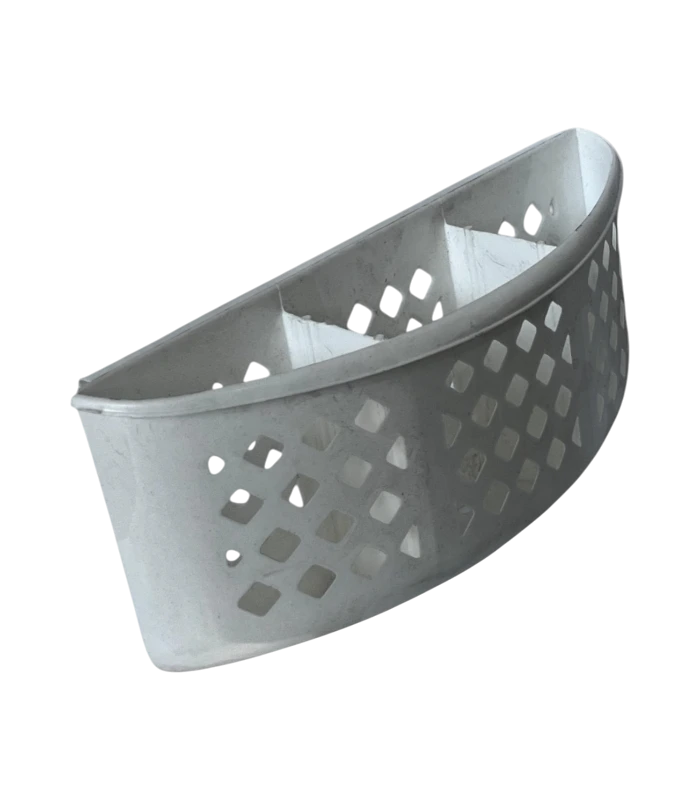
Кошничка за прибори за окачване
0,80 € / 1.56 лв.
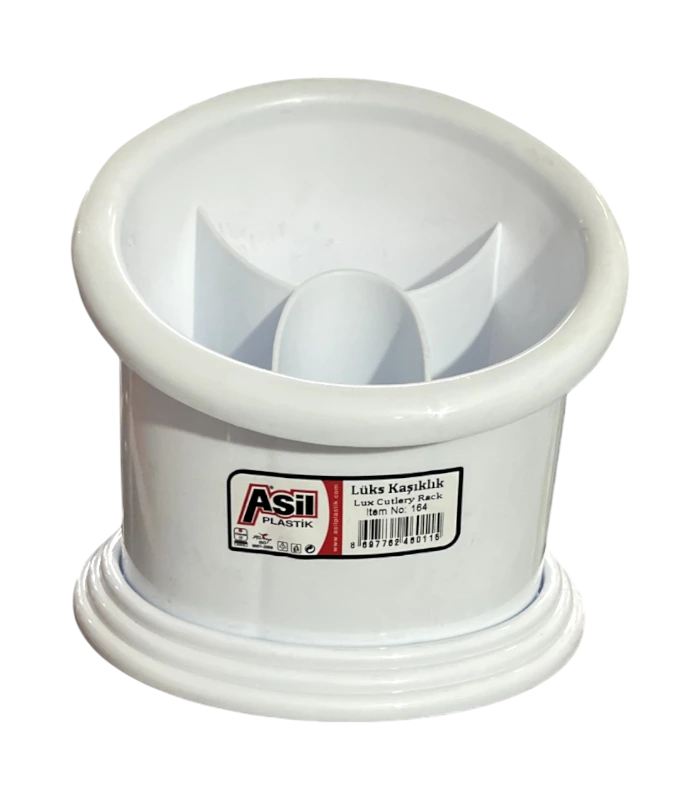
Сушилник за прибори Asil
1,48 € / 2.89 лв.