




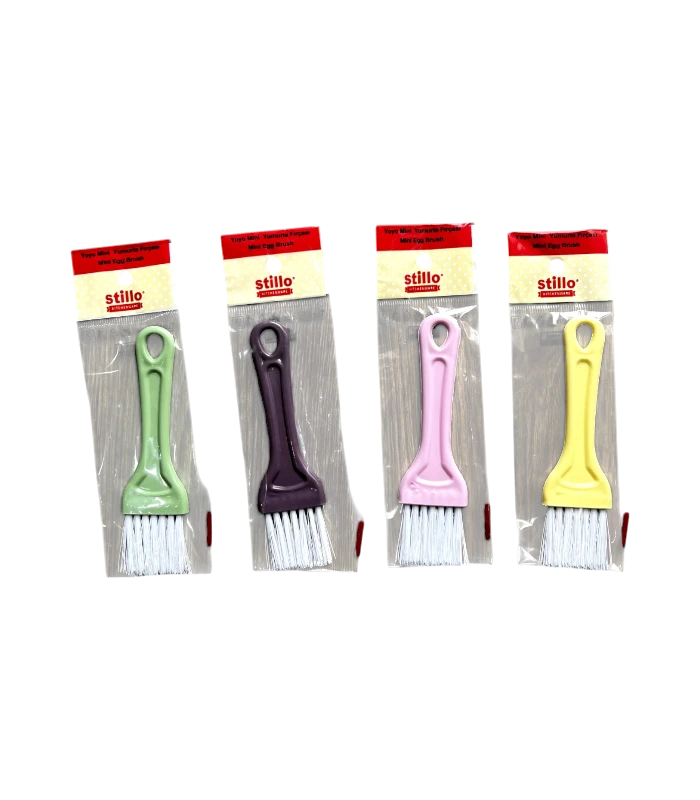
Четка за сладки мини
0,36 € / 0.70 лв.
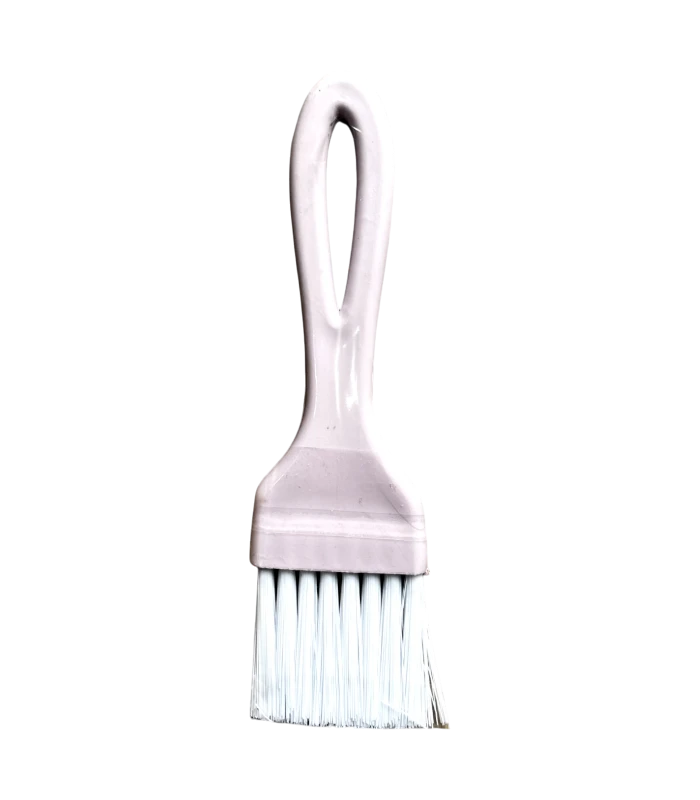
Четка за намазване
0,38 € / 0.74 лв.
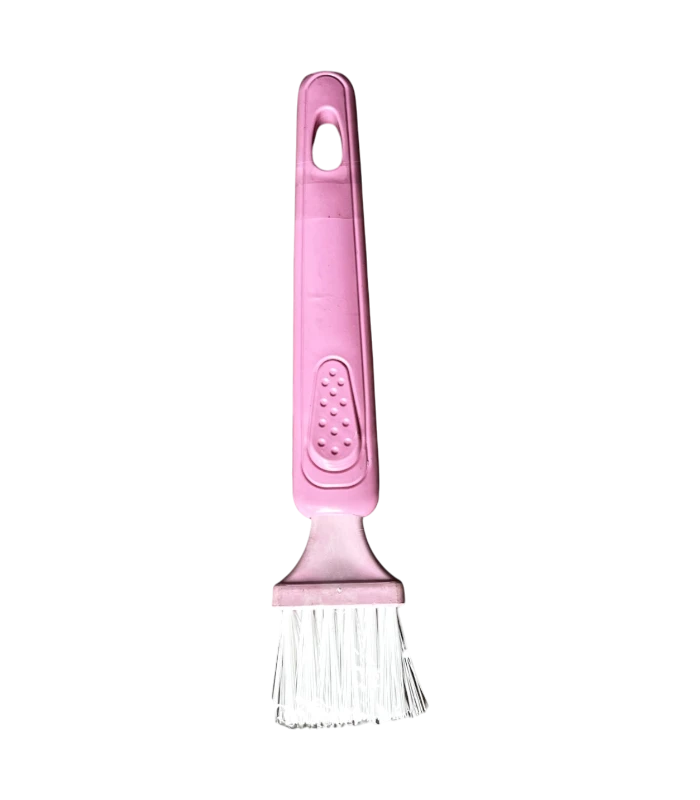
Четка за сладки голяма
0,51 € / 1.00 лв.
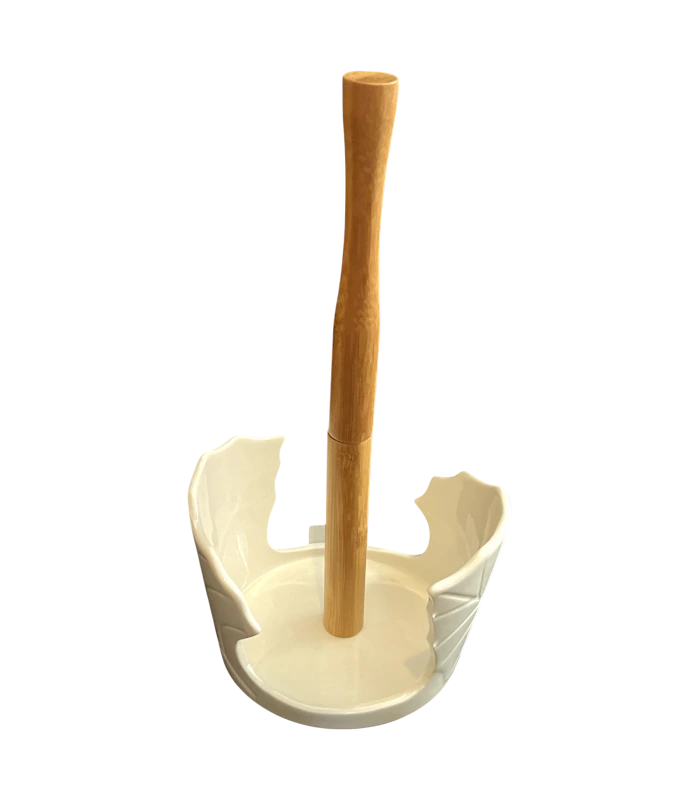
Стойка за домакинска хартия
8,69 € / 17.00 лв.
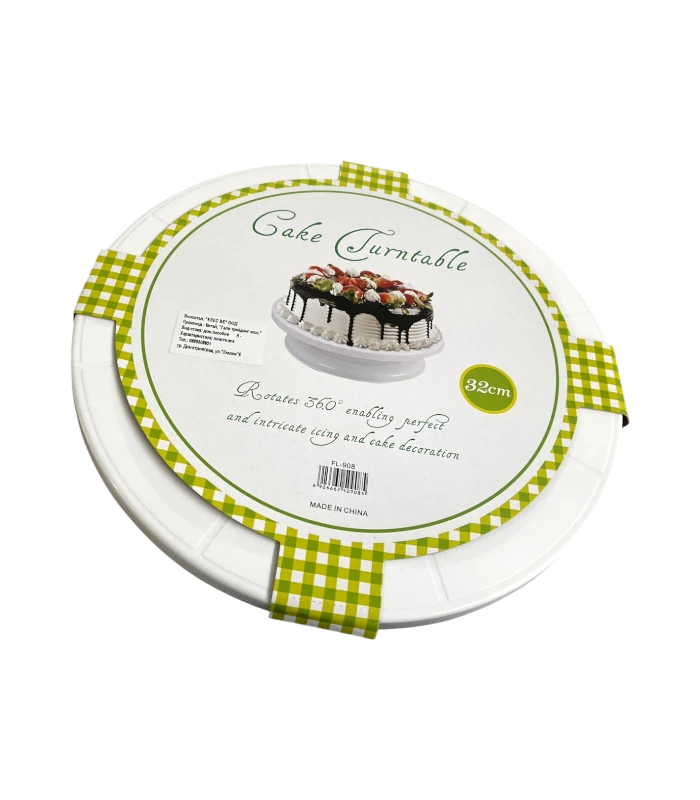
Въртяща се поставка за торта на краче 32 см
3,99 € / 7.80 лв.
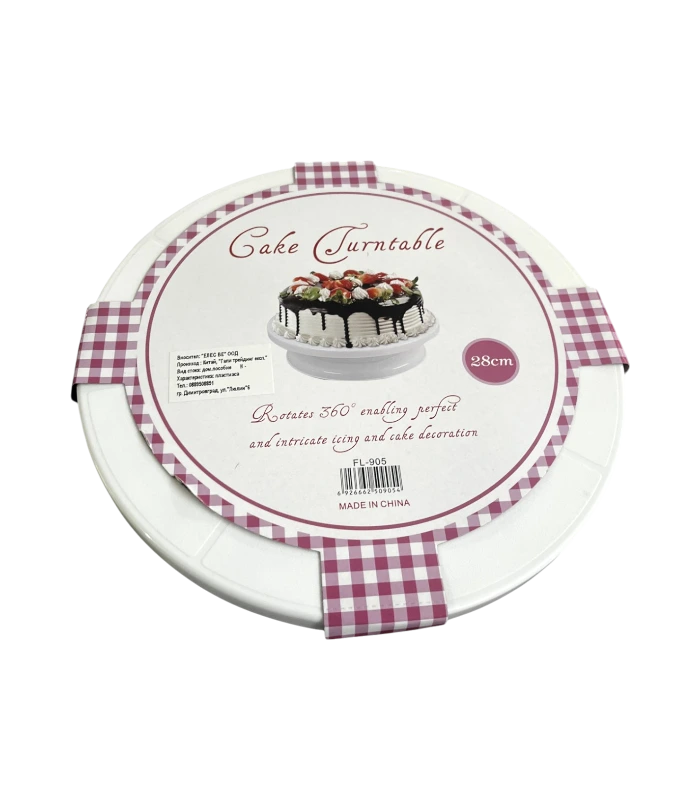
Въртяща се поставка за торта на краче 28 см
3,32 € / 6.49 лв.
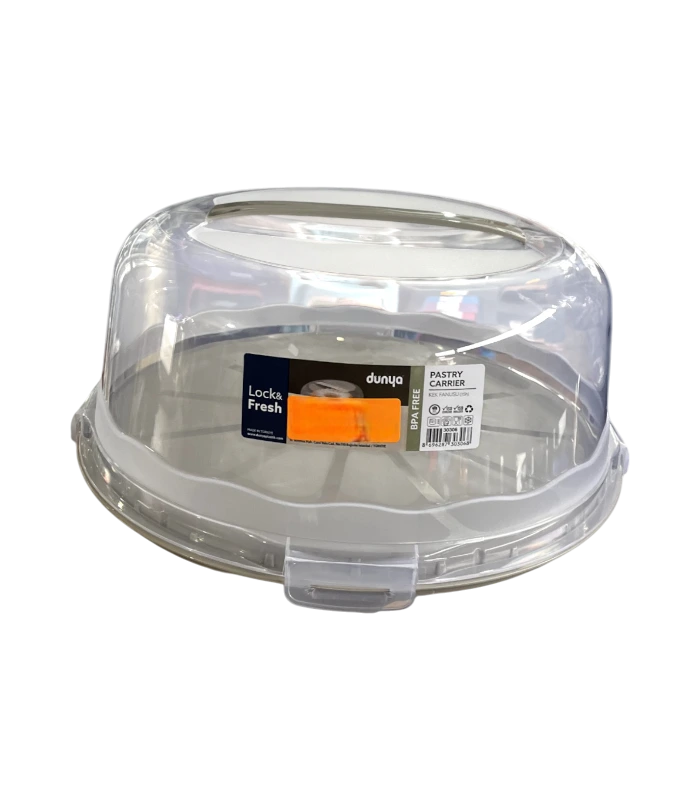
Кутия за торта с дръжка и закопчаващ се капак
4,86 € / 9.51 лв.
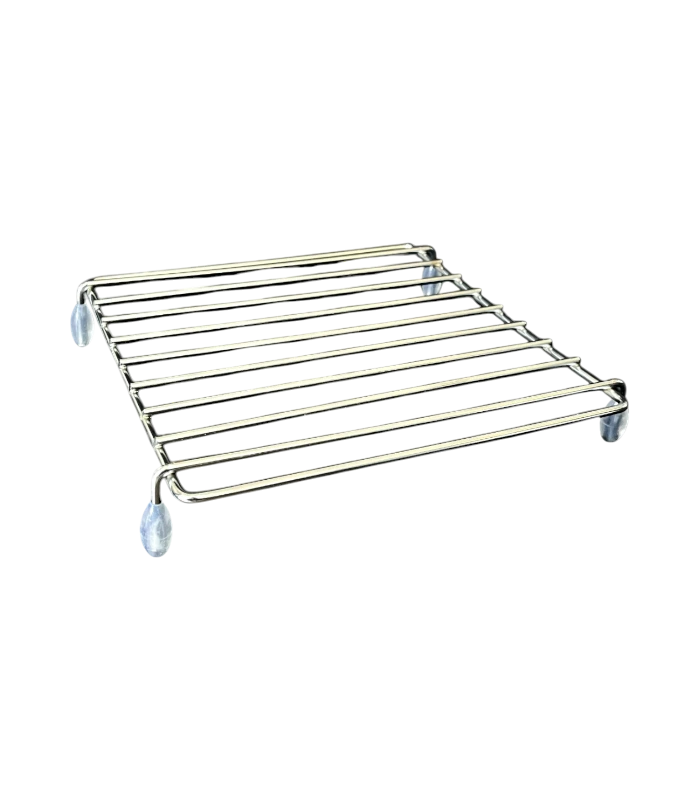
Метална поставка за горещи съдове 19 х 19 см
2,30 € / 4.50 лв.
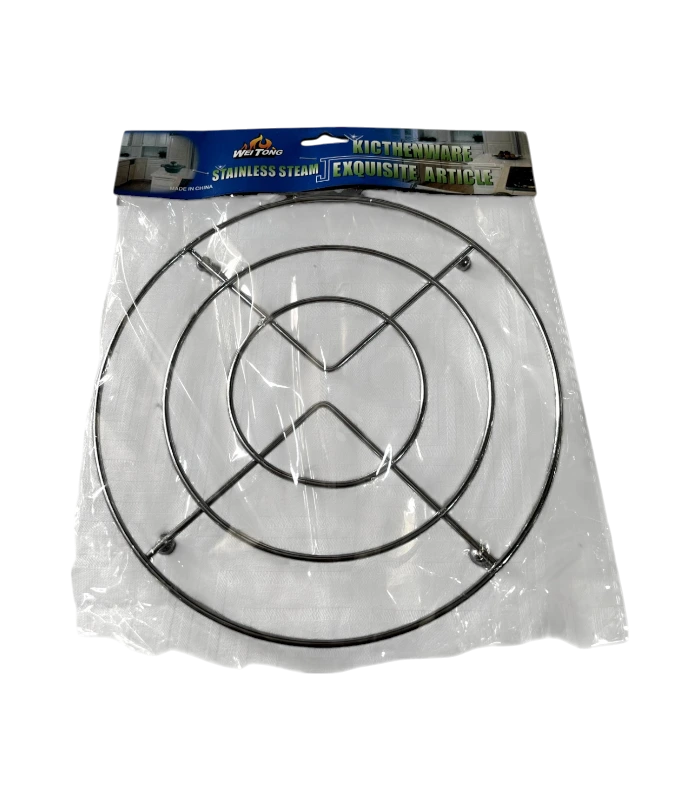
Метална поставка за горещи съдове
Price range: 0,92 € through 0,97 € / 1.80 - 1.90 лв.
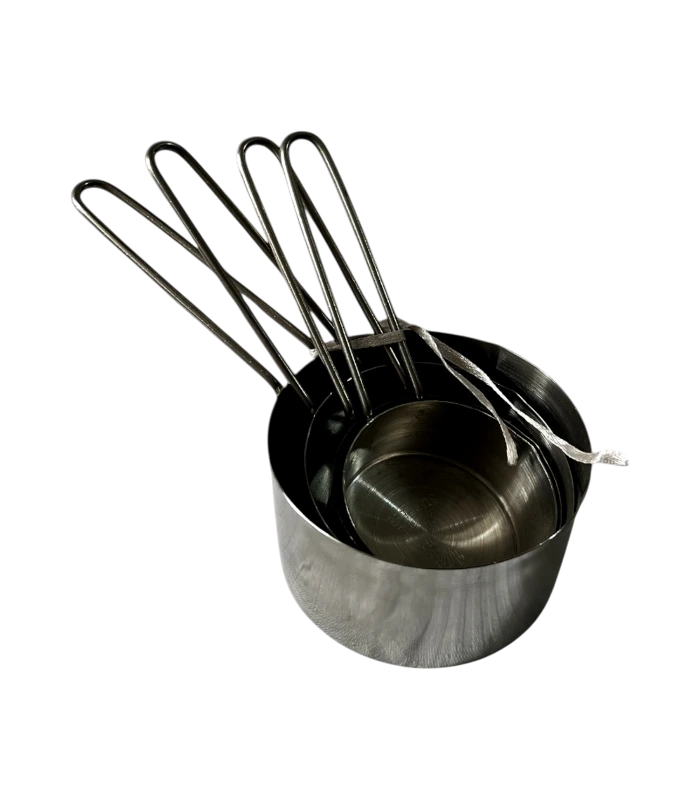
Мерителни лъжици метални 4 броя
2,56 € / 5.00 лв.
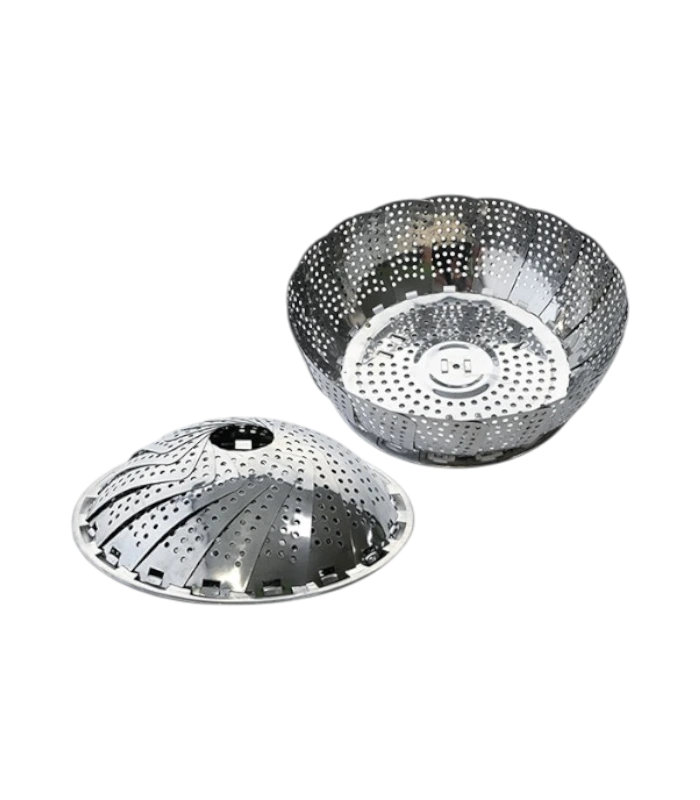
Уред за готвене на пара
Price range: 1,64 € through 2,30 € / 3.21 - 4.50 лв.
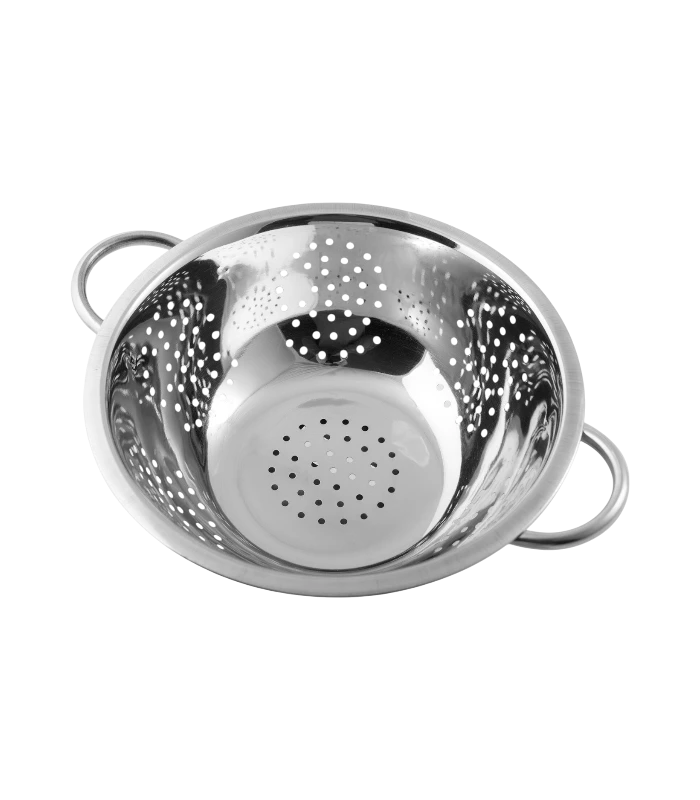
Гевгир метален с дръжки
Price range: 3,07 € through 3,48 € / 6.00 - 6.81 лв.
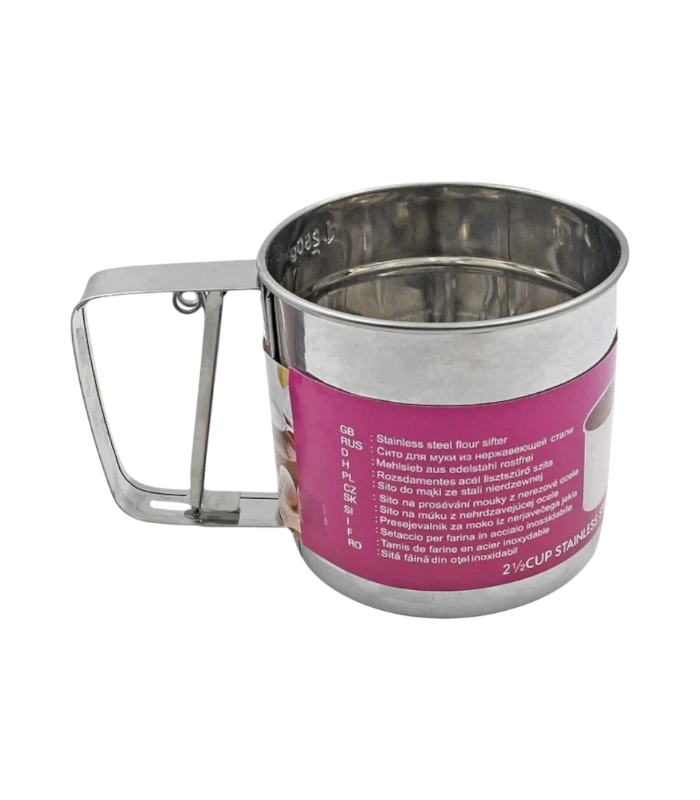
Сито за брашно метално с дръжка
2,56 € / 5.00 лв.
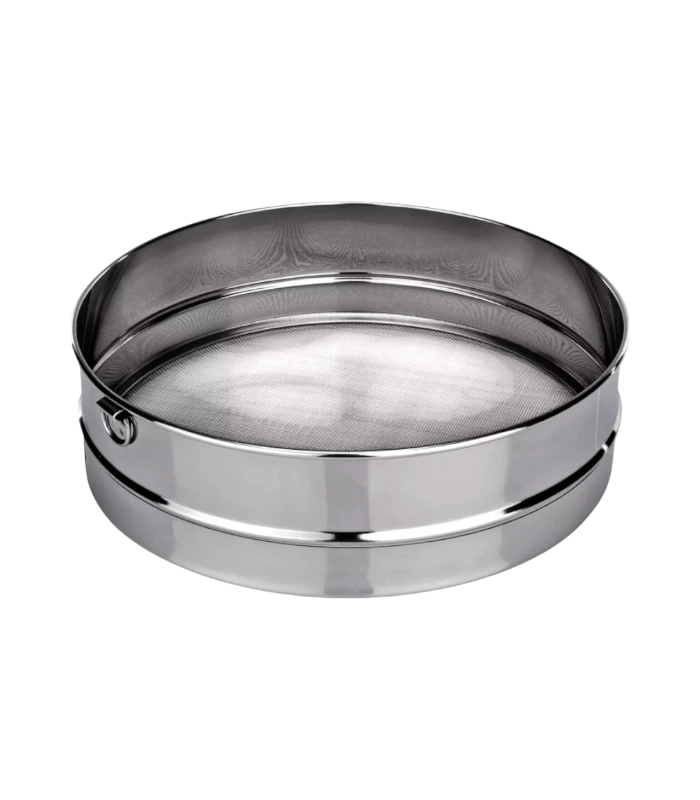
Сито за брашно метално
Price range: 2,35 € through 2,97 € / 4.60 - 5.81 лв.
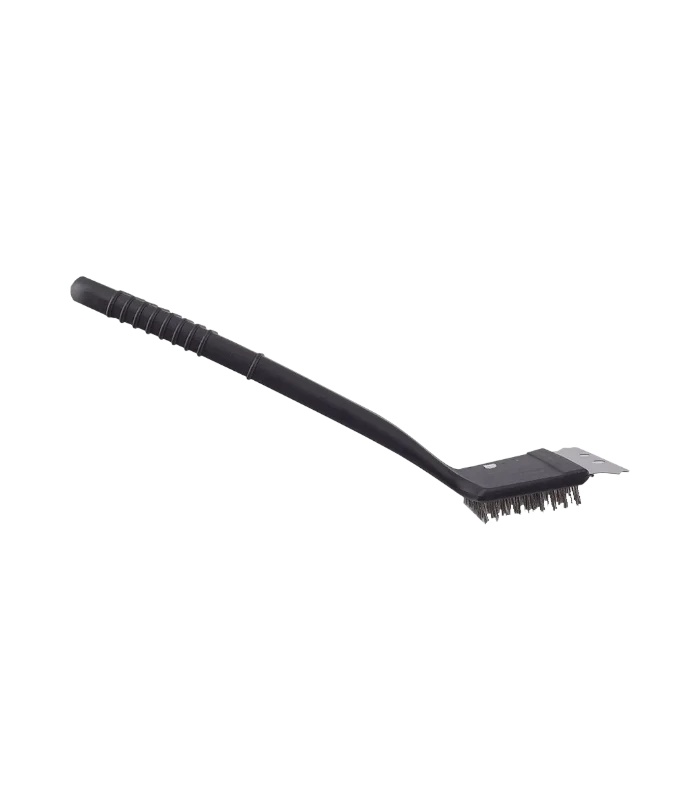
Четка за скара с дълга дръжка
0,65 € / 1.27 лв.
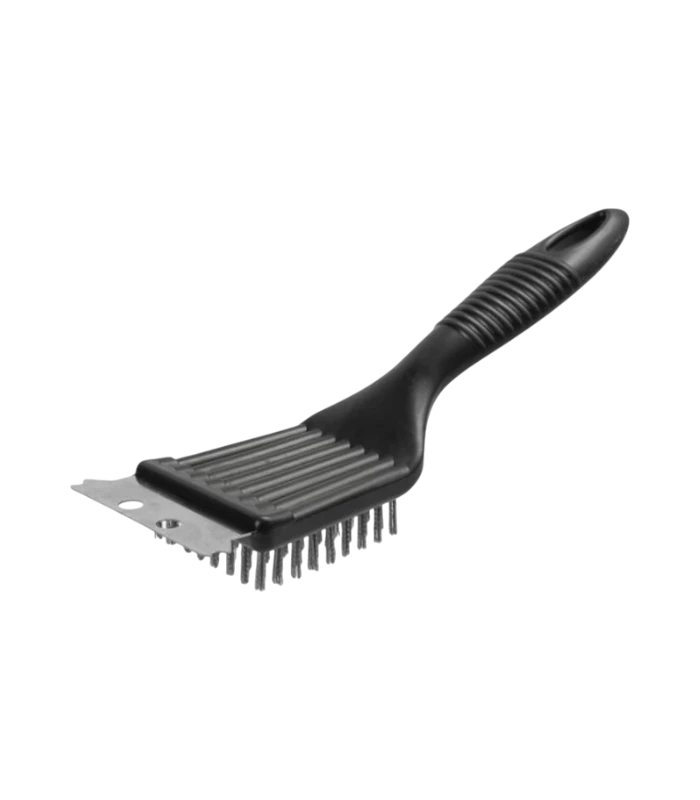
Четка за скара с къса дръжка
1,12 € / 2.19 лв.
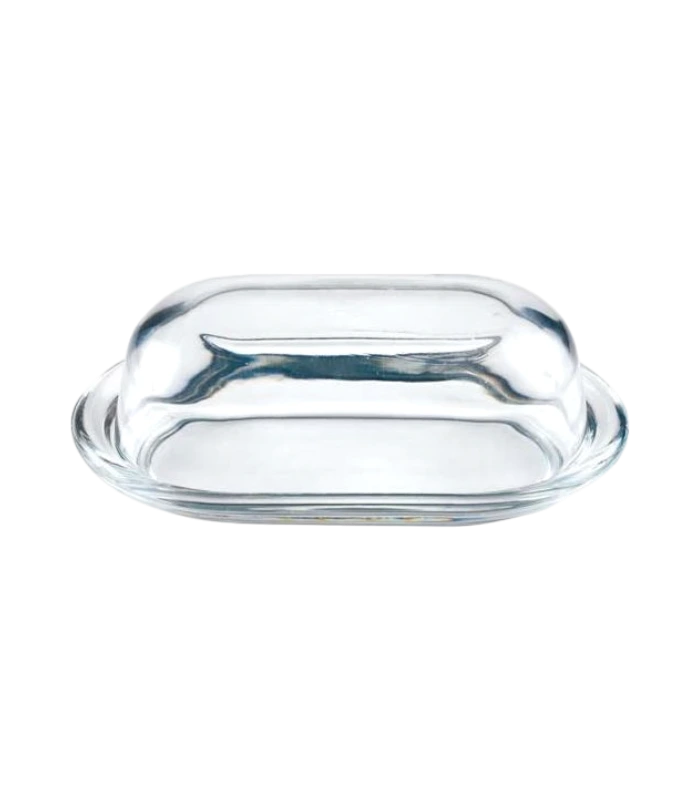
Стъклен съд за съхранение на масло
2,25 € / 4.40 лв.
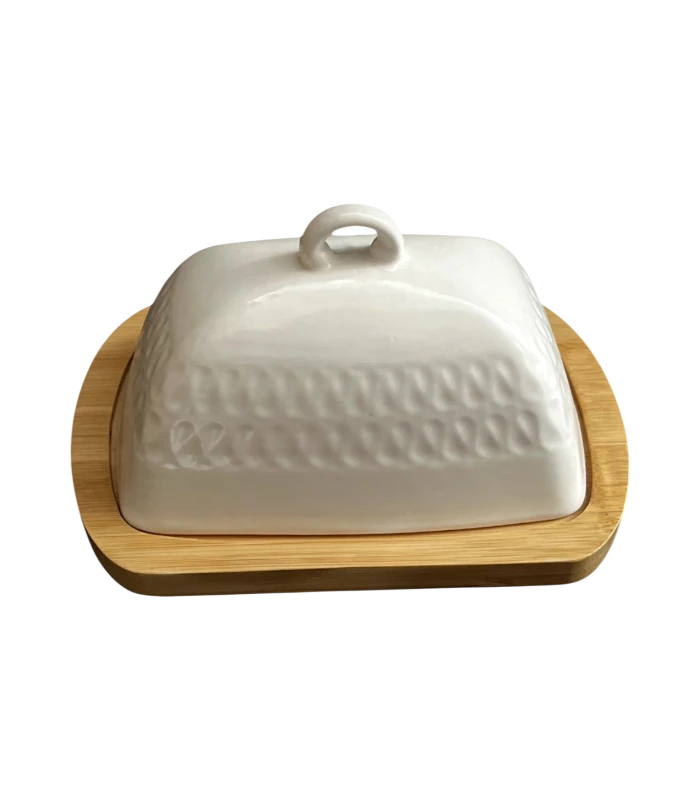
Порцеланов съд за съхранение на масло
5,88 € / 11.50 лв.
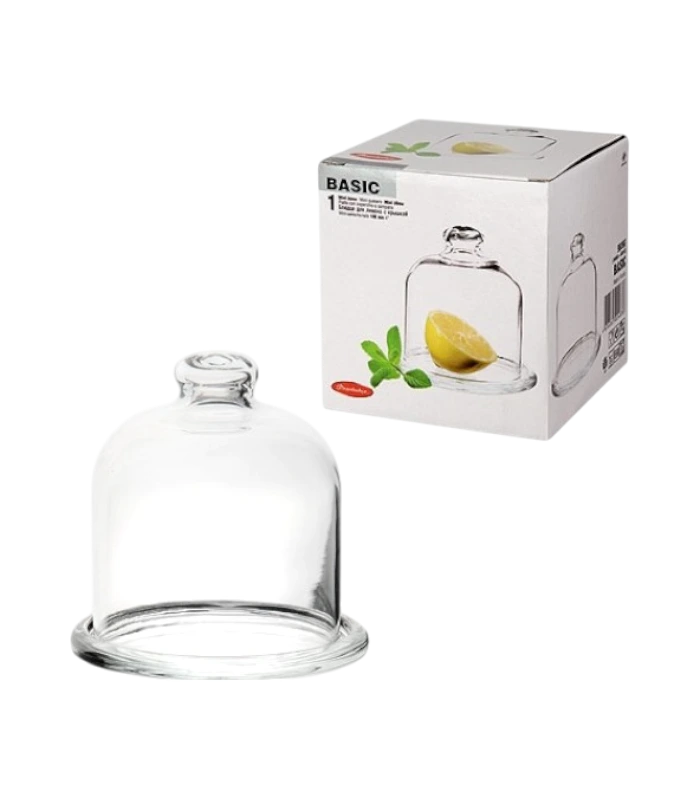
Стъклен съд за съхранение на хранителни продукти
3,83 € / 7.49 лв.