







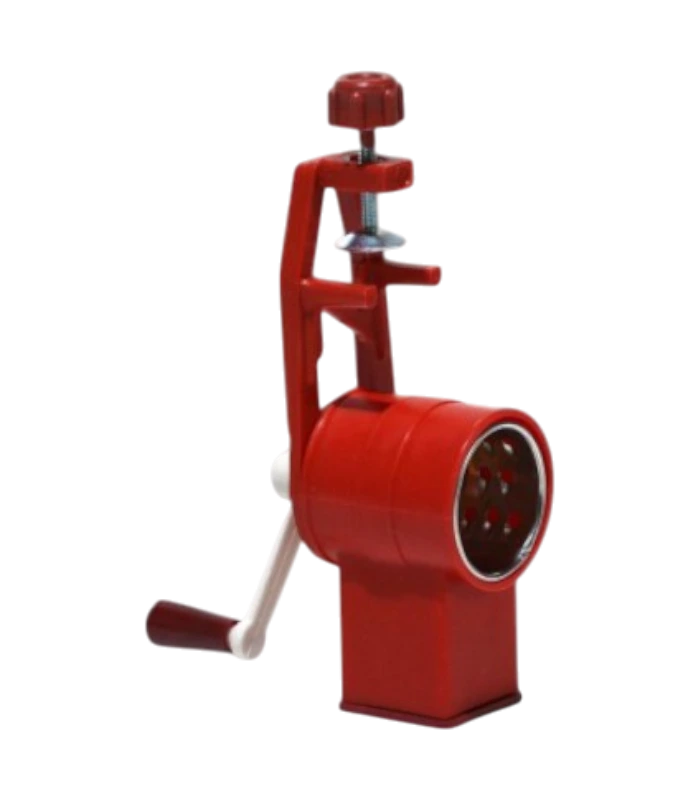
Орехомелачка за маса
3,53 € / 6.90 лв.
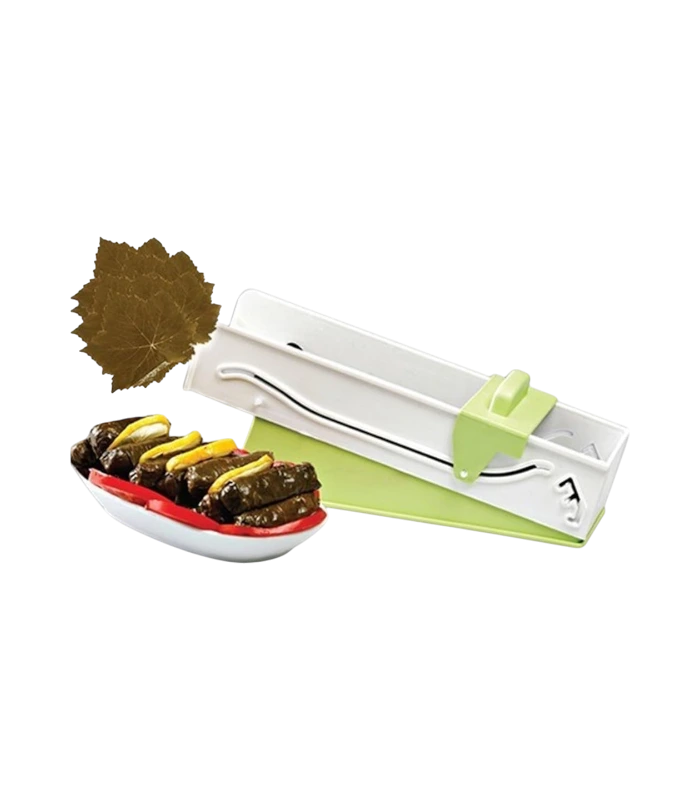
Уред за навиване на сарми
2,30 € / 4.50 лв.
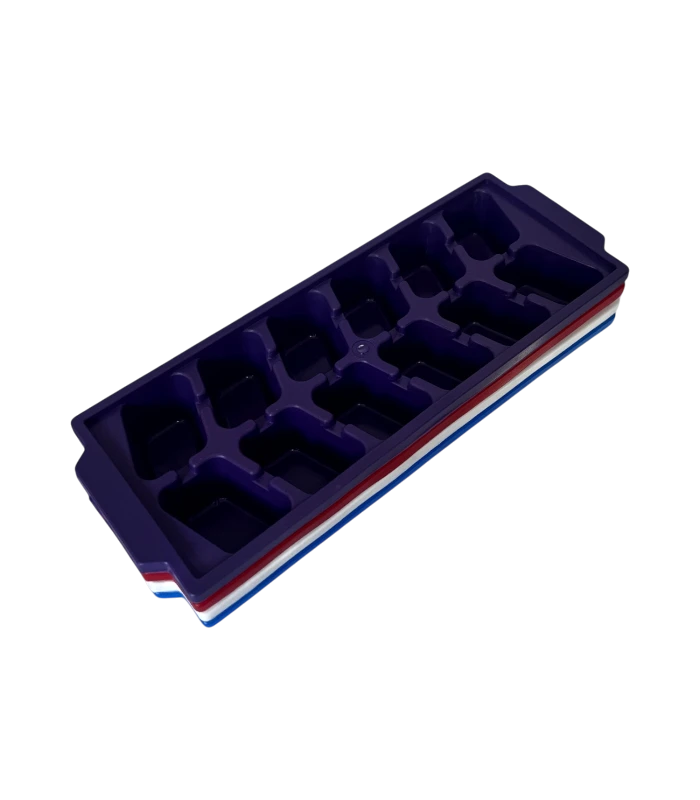
Форма за лед от еластична пластмаса
0,66 € / 1.29 лв.
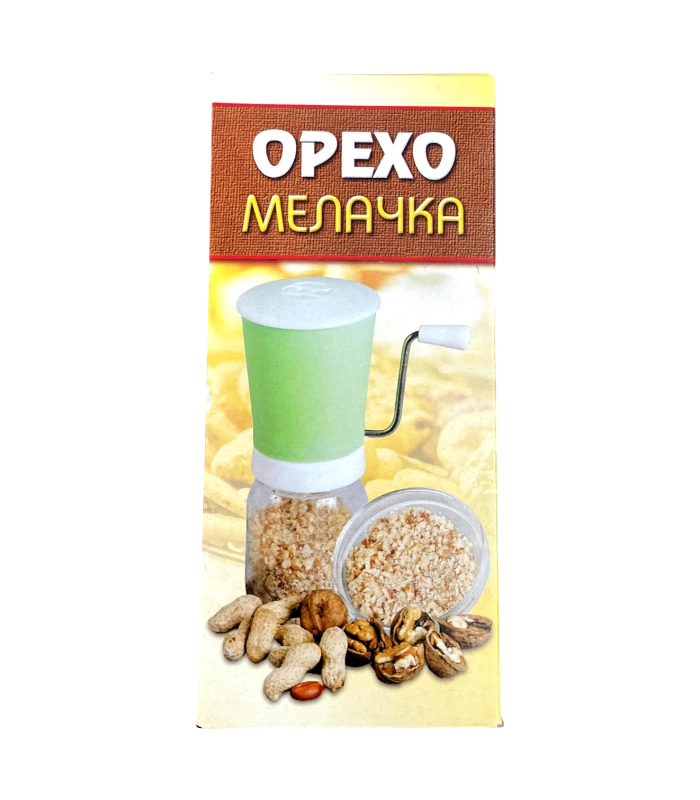
Ръчна орехомелачка бурканче 2в1
4,00 € / 7.82 лв.
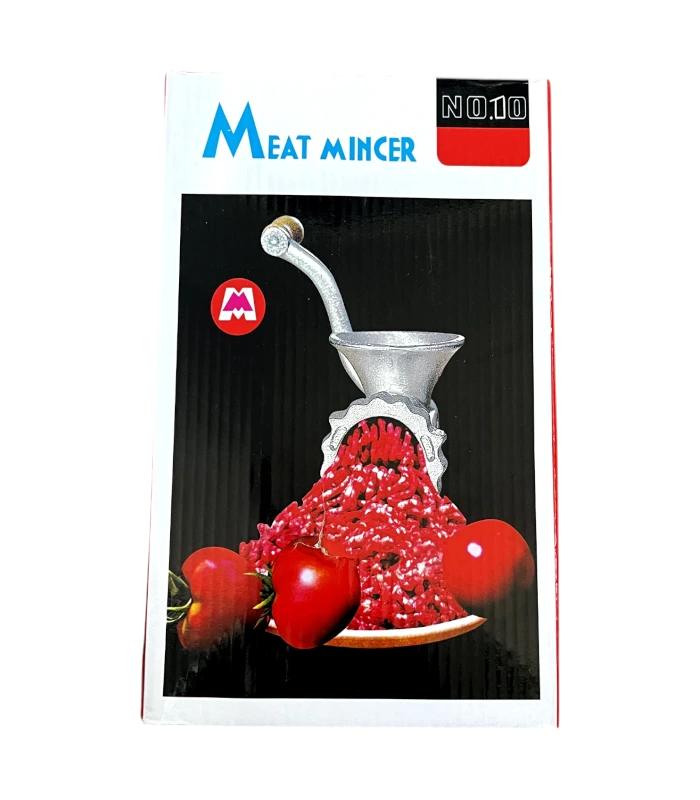
Месомелачка ръчна №10
12,27 € / 24.00 лв.
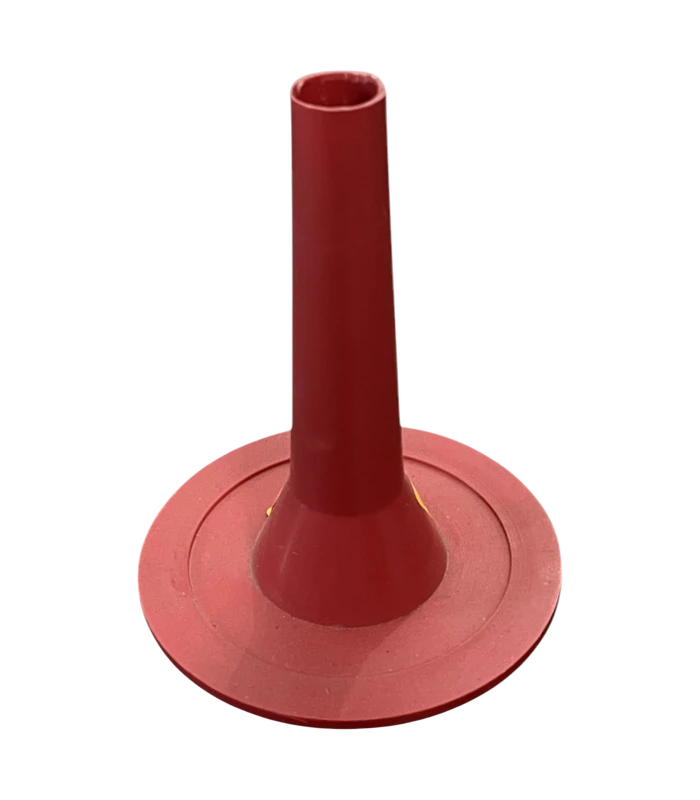
Фуния за пълнене на суджуци и луканки
Price range: 0,51 € through 0,61 € / 1.00 - 1.19 лв.
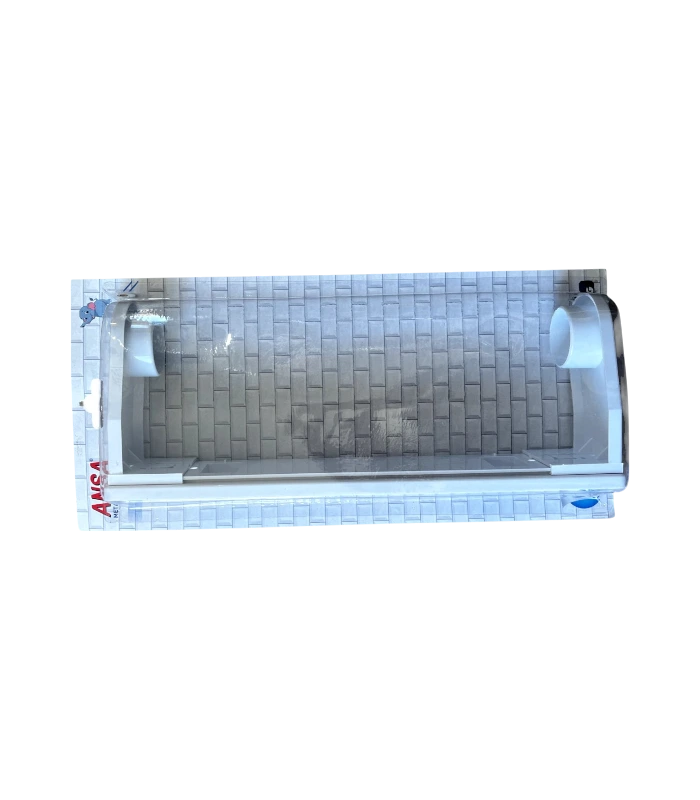
Стойка за домакинска хартия за стена пластмасова
2,20 € / 4.30 лв.
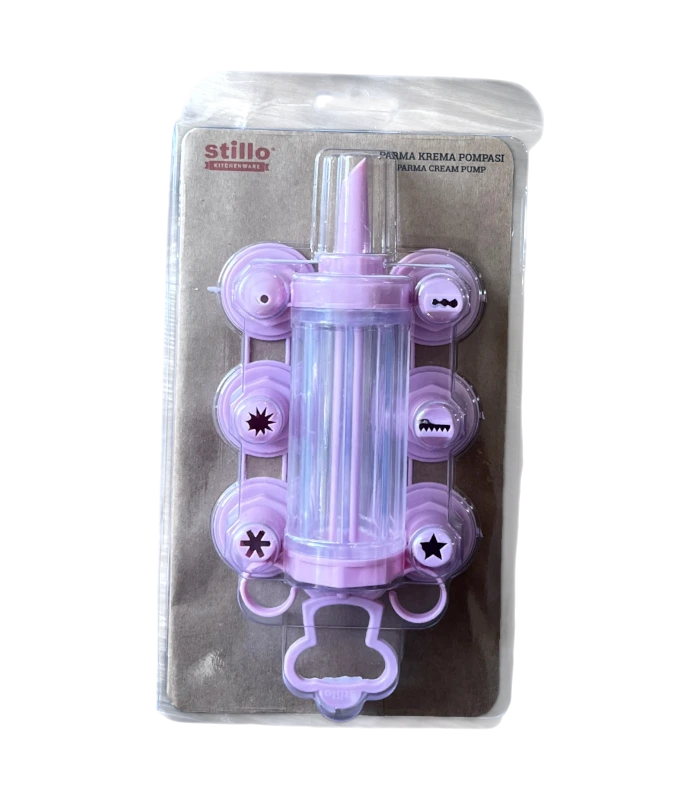
Шприц за декорация с пластмасови накрайници
1,53 € / 3.00 лв.
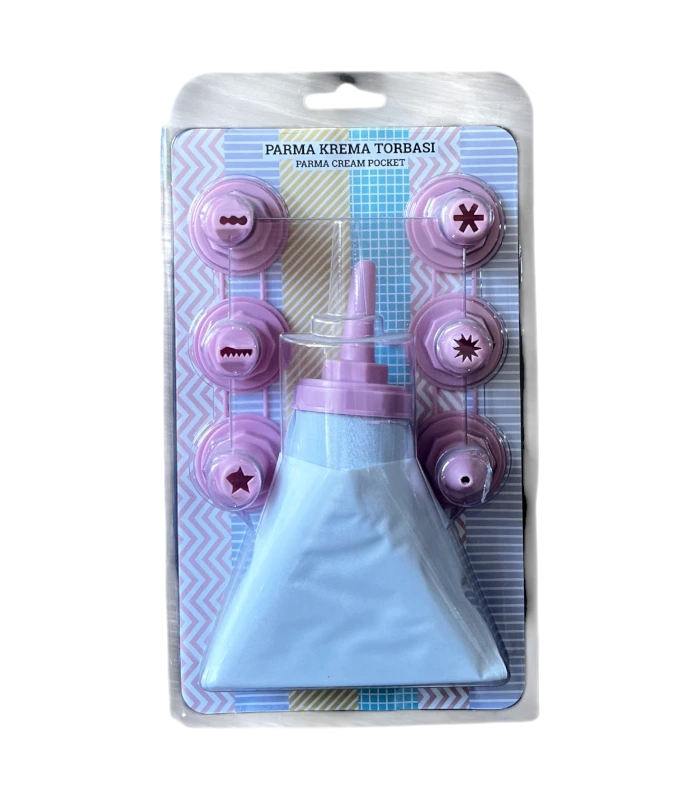
Сладкарски пош за декорация с пластмасови накрайници
1,53 € / 3.00 лв.
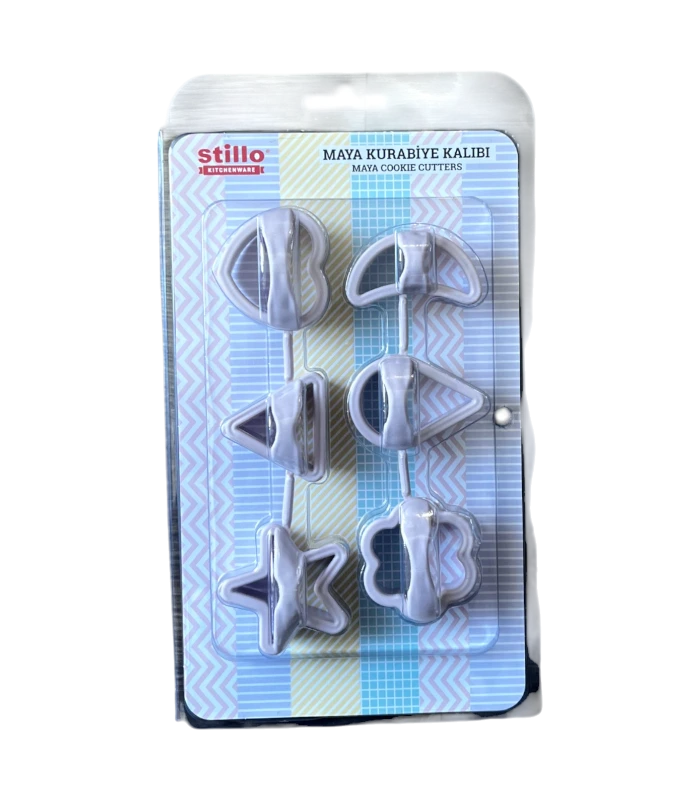
Пластмасови формички за сладки и тесто
1,33 € / 2.60 лв.
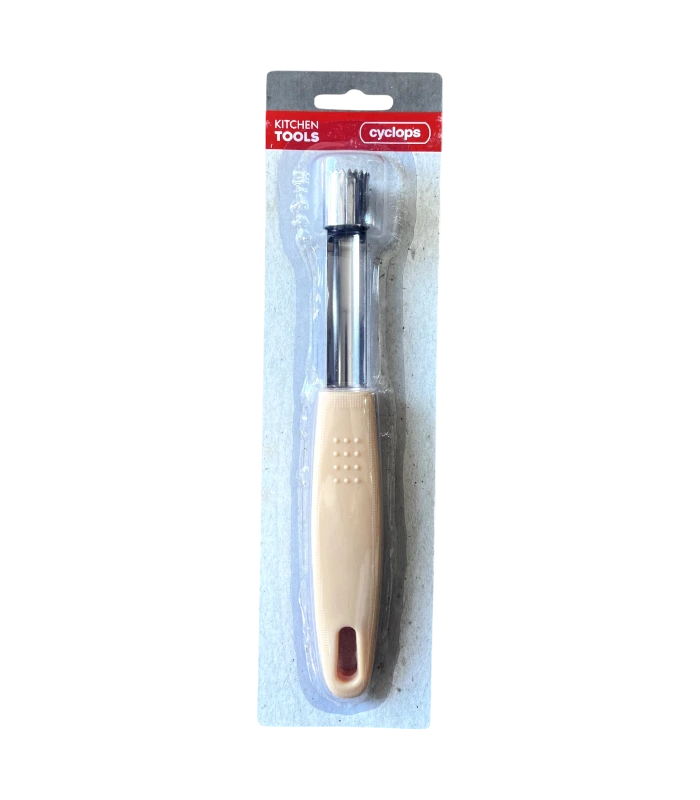
Уред за почистване на ябълки
1,53 € / 3.00 лв.
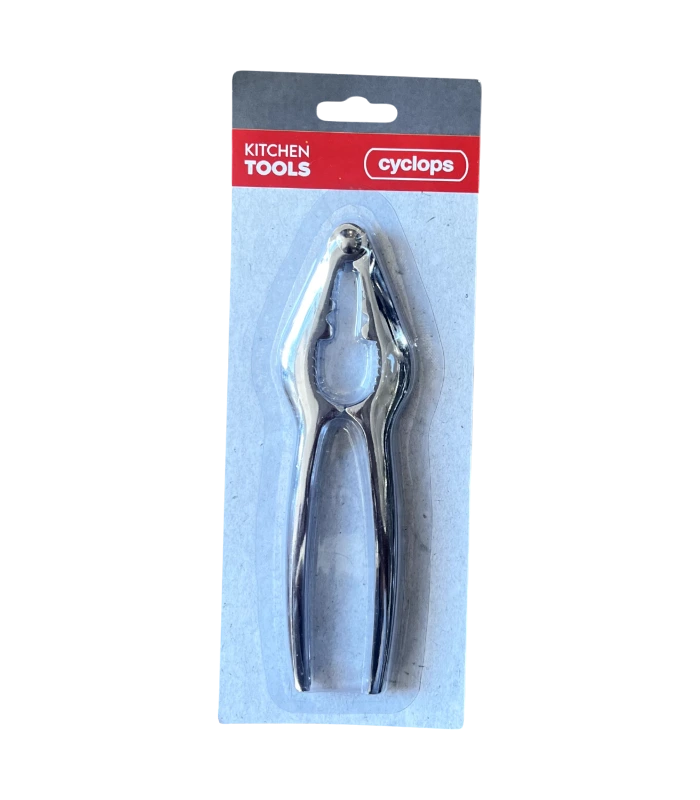
Орехотрошачка тип клещи метална
3,85 € / 7.53 лв.
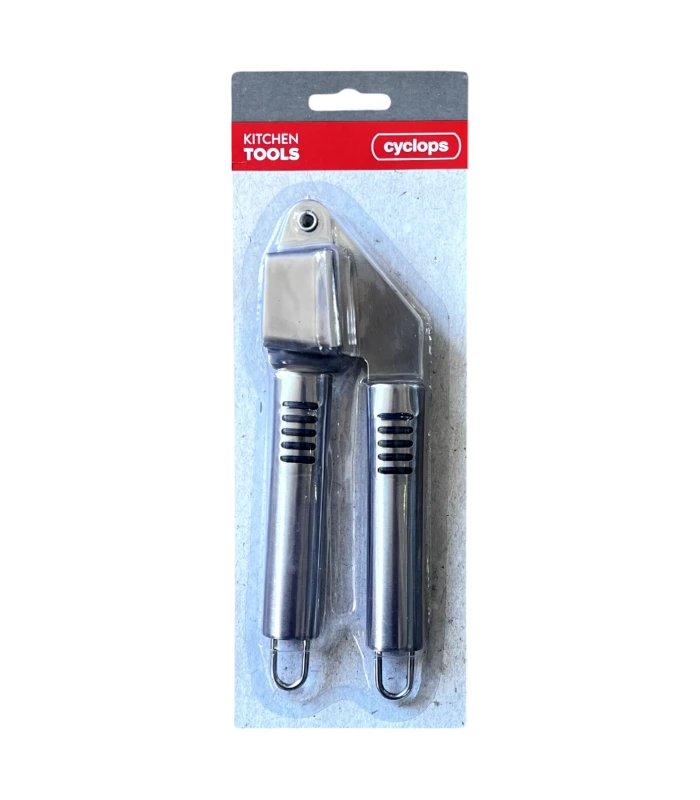
Преса за чесън иноксова
3,83 € / 7.49 лв.
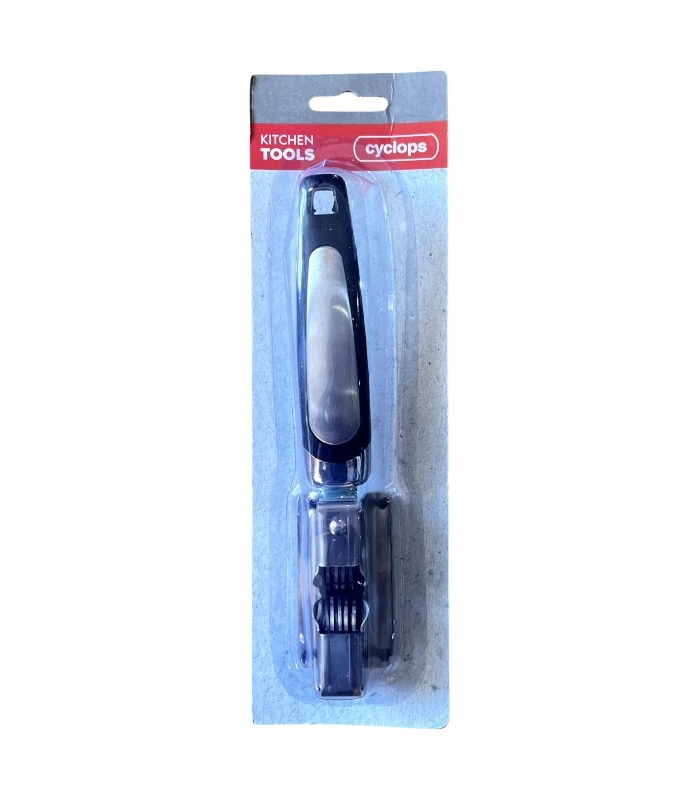
Точило за ножове ръчно
3,07 € / 6.00 лв.
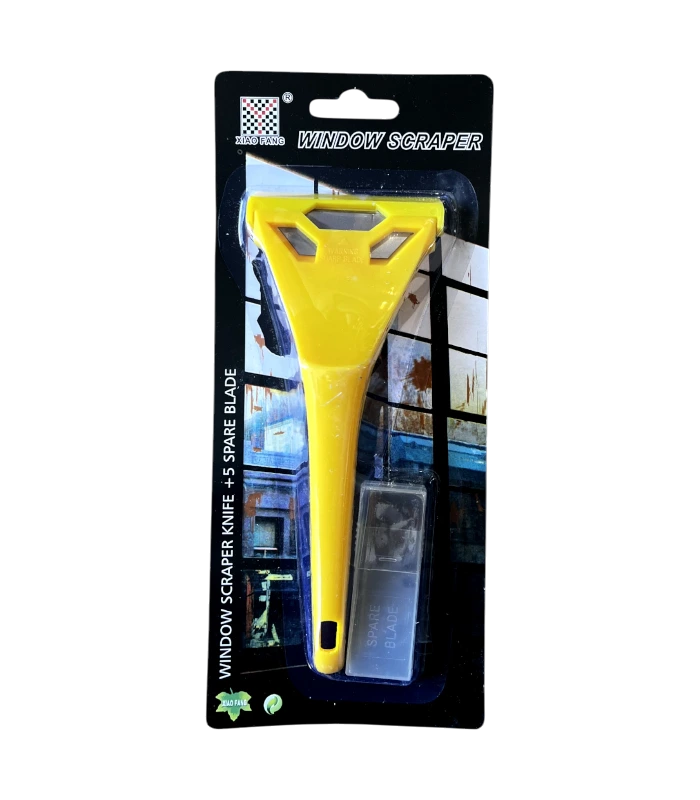
Нож за почистване на стъклокерамика
1,28 € / 2.50 лв.
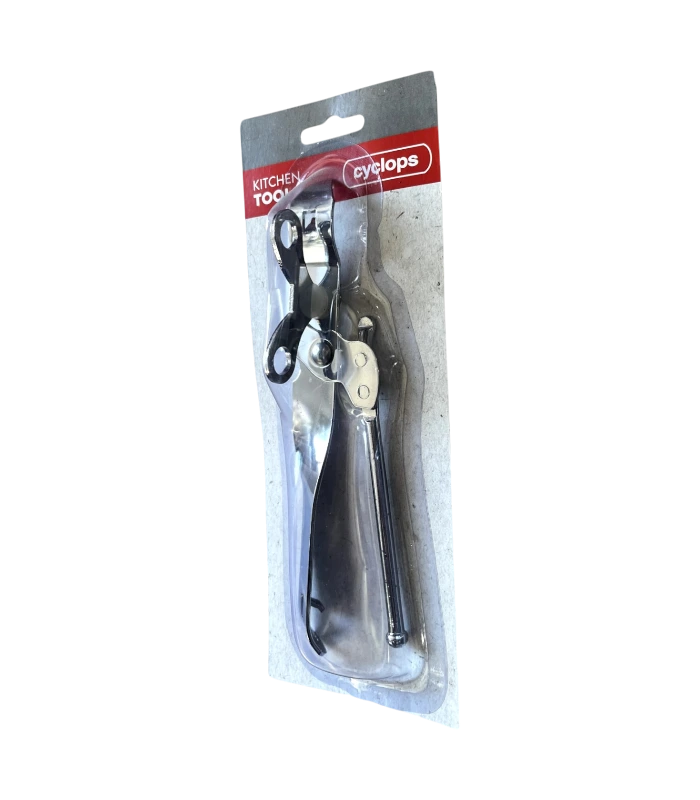
Отврачка за консерви иноксова
1,02 € / 2.00 лв.
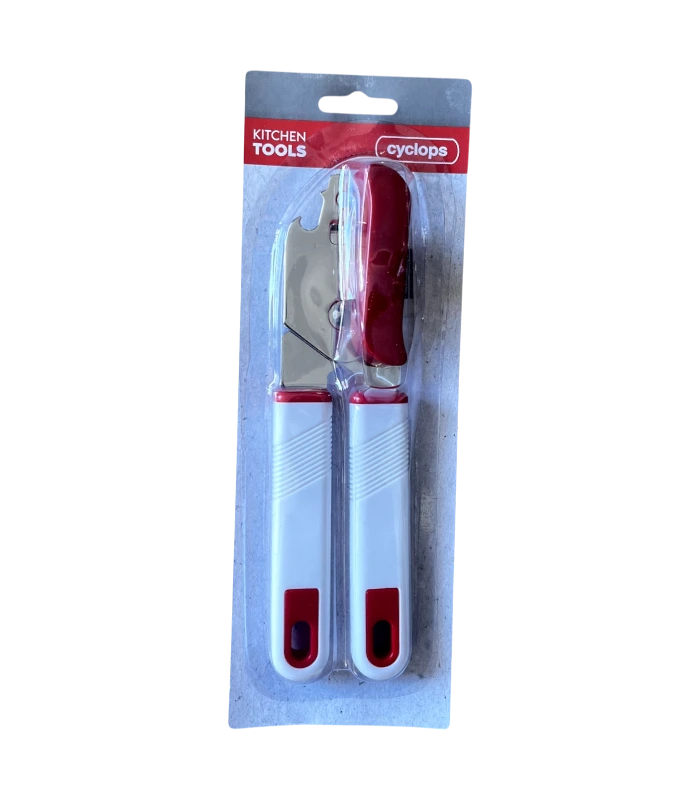
Отварачка за консерви голяма
3,37 € / 6.59 лв.
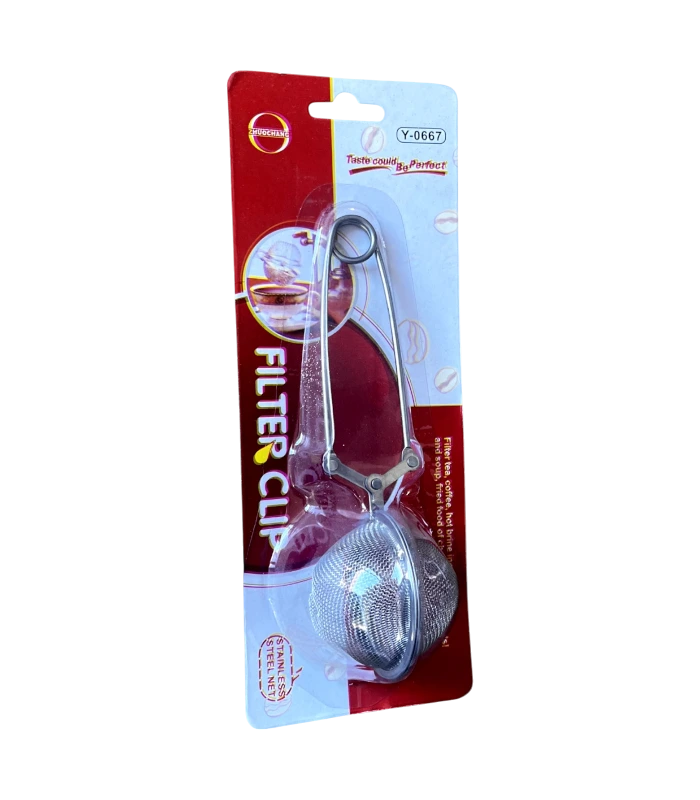
Щипка за приготвяне на насипен чай
1,12 € / 2.19 лв.
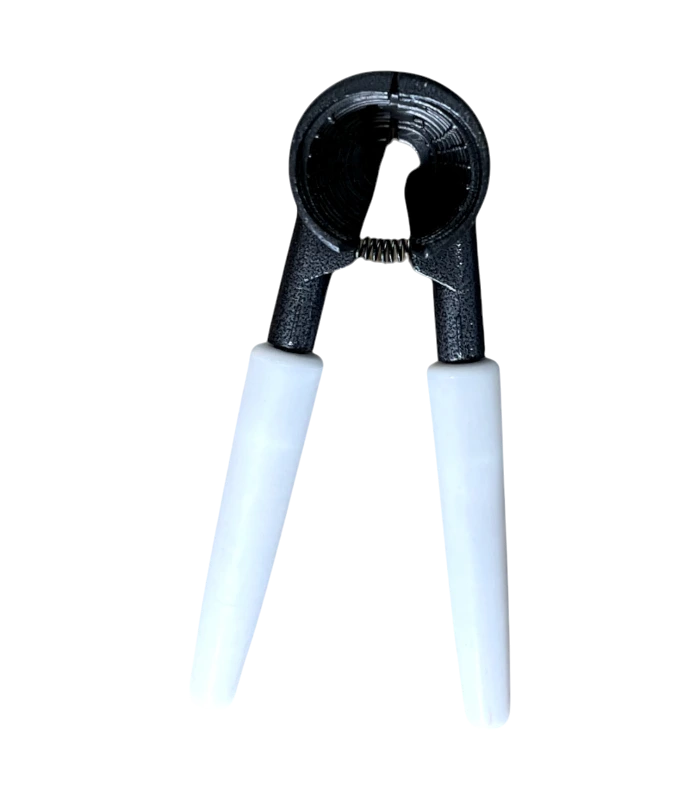
Орехотрошачка
2,30 € / 4.50 лв.
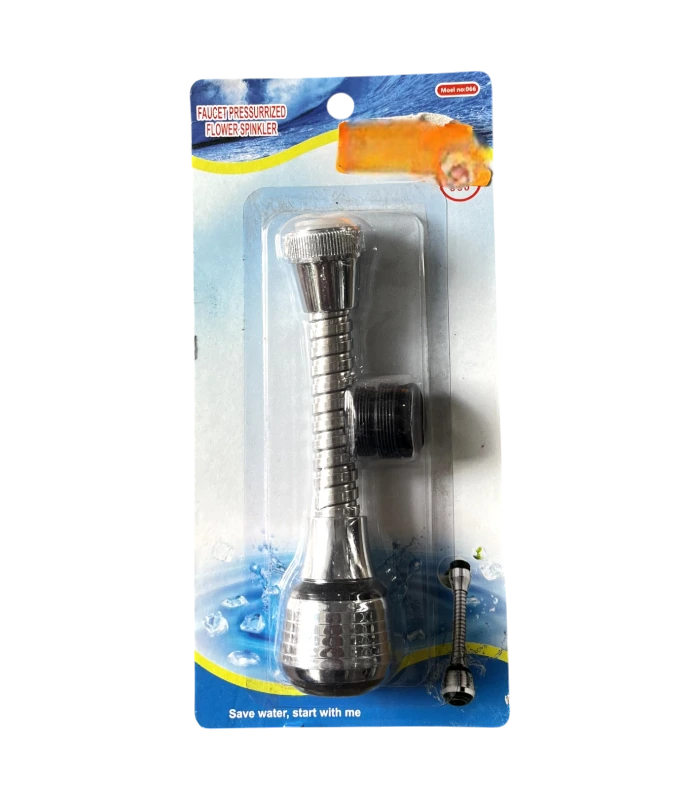
Удължител за чешма с ротация
1,43 € / 2.80 лв.